
SPOILER ALERT!
Caustic Soda Uses For Skin Guidelines & Guide
Very strong solutions of sodium hydroxide can hydrolyze proteins within the eyes, resulting in severe burns and eye harm or, in extreme instances, blindness. The chemical title of caustic soda is sodium hydroxide (NaOH) and it’s also called lye. The identify caustic soda is derived from the material’s origins as a sodium hydrate and it’s known caustic soda for sale near me as caustic as a result of, properly, it’s highly corrosive in nature. It’s the last bit that's of most interest when we discuss of unclogging blocked drains. Caustic soda, or sodium hydroxide, is a particularly robust chemical that will dissolve most blockages clogging up your sink.Caustic soda can be bought at most hardware stores.
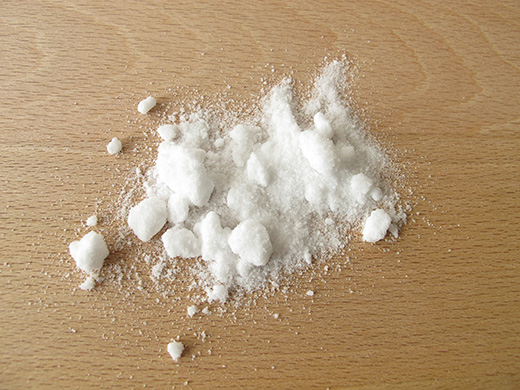
Solid sodium hydroxide is obtained from this solution by the evaporation of water. Solid sodium hydroxide is mostly offered as flakes, prills, and forged blocks. Similar to the hydration of sulfuric acid, dissolution of stable sodium hydroxide in water is a highly exothermic response where a considerable amount of warmth is liberated, posing a risk to security by way bulk sodium hydroxide of the potential of splashing. As with different alkaline solutions, it feels slippery with skin contact due to the means of saponification that occurs between NaOH and pure pores and skin oils. These problems occurred in sixty three.three% of the patients who ingested two or three tablespoonfuls of caustic brokers.
Parts washer detergents based on sodium hydroxide are some of the most aggressive parts washer cleansing chemical compounds. The sodium hydroxide-based mostly detergents include surfactants, rust inhibitors and defoamers. A elements where to buy caustic soda washer heats water and the detergent in a closed cabinet and then sprays the heated sodium hydroxide and sizzling water at stress against soiled parts for degreasing applications.
In contrast, the incidence reported in Finland7 was extremely low, because the cited authors stated that the commerce of caustic soda was prohibited in Finland in 1966. These investigators reported 98 instances of kids who ingested soap and vinegar, with solely 20 of them struggling esophageal injury, but with no stenosis of the organ in any case. Of the 239 patients who drank caustic soda, 4 of them (1.6%) developed cancer of the esophagus.
Most individuals with minor chemical burns don't have to be admitted. Most can go residence after arranging observe-up care with a doctor. Patients with major chemical burns nevertheless, need to be admitted to a hospital. Ingestion or inhalation of chemical burns could need to be admitted for remark, depending on the potential severity of tissue injury.
Chemical burns may be caused by many substances, corresponding to strong acids, drain cleaners (lye), paint thinner and gasoline. But sometimes you could not instantly recognize a burn caused by a milder chemical. As with some sunburns, the pain and redness may develop hours after the exposure. Sodium hydroxide (NaOH), also referred to as caustic soda or lye, is a highly versatile substance utilized in a variety of manufacturing processes.
Most of those sufferers (58.eight%, 20/34) were males, sixty seven.6% (23/34) have been sufferers who had ingested the caustic product by chance, and seventy six.5% (26/34) were sufferers who drank caustic fragments. None of them had drunk more than three tablespoonfuls of caustic substance. bulk caustic soda of the current examine was to research the complications noticed in 239 sufferers who ingested caustic soda and who have been admitted to the University Hospital of FMRP-USP, and to correlate them with the quantity ingested. The effect of the time of contact of the caustic substance with tissue is much like the impact of its focus. The impact of time of contact was additionally famous in different organs or even in different areas of the same organ.
Then pour it into the blocked drain and go away the answer for minutes, then flush with boiling water. Sodium hydroxide is frequently used as an industrial cleaning agent the place it's usually referred to as "caustic".
Among the 215 patients for whom there was full data, 192 progressed with problems associated to esophageal lesions in a hundred ninety of them, and the last 2 died (zero.eight%) (Table 1). The one hundred ninety sufferers with some kind of esophageal damage progressed in different sodium hydroxide prices 2020 manners according to the severity of the harm. A total of 156 circumstances (seventy two.6%, 156/215) developed stenosis, whereas 34 (15.eight%) healed with no effect on the caliber of the organ (esophagitis with superficial lesions).
Stenosis occurred in forty six.9% (23/49) of the patients who ingested "fragments" and in ninety three.6% of the sufferers who ingested one or more tablespoonfuls of caustic. With the ingestion of two or three tablespoonfuls, the risk of fistulas, perforations or even demise is increased. This leads us to consider that the patient who ingests greater than 60 grams, i.e. three tablespoonfuls of caustic substance, will in all probability die. It has been reported11 that fifty cc of concentrated liquid is, on average, enough to provoke extremely extreme injuries, whereas an amount of cc causes severe lesions, and less than 15 cc causes lesions of medium depth.
Most chemical burns are brought on by either robust acids or robust bases (for instance, hydrochloric acid or sodium hydroxide). Acids damage and kill cells by coagulating cells whereas bases liquefy cells. Prolonged sodium hydroxide near me can severely harm human tissues and, if the affected person survives, results in scarring and disability. Other chemical substances like oxidants and certain metals may also produce similar chemical burns. Limiting the time of exposure to any of these chemical compounds can tremendously reduce their damaging effects.
Solid sodium hydroxide is obtained from this solution by the evaporation of water. Solid sodium hydroxide is mostly offered as flakes, prills, and forged blocks. Similar to the hydration of sulfuric acid, dissolution of stable sodium hydroxide in water is a highly exothermic response where a considerable amount of warmth is liberated, posing a risk to security by way bulk sodium hydroxide of the potential of splashing. As with different alkaline solutions, it feels slippery with skin contact due to the means of saponification that occurs between NaOH and pure pores and skin oils. These problems occurred in sixty three.three% of the patients who ingested two or three tablespoonfuls of caustic brokers.
Parts washer detergents based on sodium hydroxide are some of the most aggressive parts washer cleansing chemical compounds. The sodium hydroxide-based mostly detergents include surfactants, rust inhibitors and defoamers. A elements where to buy caustic soda washer heats water and the detergent in a closed cabinet and then sprays the heated sodium hydroxide and sizzling water at stress against soiled parts for degreasing applications.
Is caustic soda harmful for skin?
sodium hydroxide. Also known as lye, sodium hydroxide is a highly alkaline ingredient used in small amounts in cosmetics to establish and hold the pH of a product. It's also used as a cleansing and denaturing agent. In high concentrations, it's a significant skin sensitizer.
In contrast, the incidence reported in Finland7 was extremely low, because the cited authors stated that the commerce of caustic soda was prohibited in Finland in 1966. These investigators reported 98 instances of kids who ingested soap and vinegar, with solely 20 of them struggling esophageal injury, but with no stenosis of the organ in any case. Of the 239 patients who drank caustic soda, 4 of them (1.6%) developed cancer of the esophagus.
What does sodium hydroxide do to skin?
Sodium hydroxide is in a ton of beauty products. The CDC reports that “Skin contact with sodium hydroxide can cause severe burns with deep ulcerations. Pain and irritation are evident within 3 minutes, but contact with dilute solutions may not cause symptoms for several hours.
Most individuals with minor chemical burns don't have to be admitted. Most can go residence after arranging observe-up care with a doctor. Patients with major chemical burns nevertheless, need to be admitted to a hospital. Ingestion or inhalation of chemical burns could need to be admitted for remark, depending on the potential severity of tissue injury.
Chemical burns may be caused by many substances, corresponding to strong acids, drain cleaners (lye), paint thinner and gasoline. But sometimes you could not instantly recognize a burn caused by a milder chemical. As with some sunburns, the pain and redness may develop hours after the exposure. Sodium hydroxide (NaOH), also referred to as caustic soda or lye, is a highly versatile substance utilized in a variety of manufacturing processes.
- In settlement with this idea, our knowledge present that despite the fact that ninety three.7% of the youngsters ingested small quantities of caustic agent, i.e. "fragments", 50% of them introduced stenosis.
- When the stenosis was categorized by radiology, the kids have been discovered to show a 10% rate of extreme stenosis (Table four).
Most of those sufferers (58.eight%, 20/34) were males, sixty seven.6% (23/34) have been sufferers who had ingested the caustic product by chance, and seventy six.5% (26/34) were sufferers who drank caustic fragments. None of them had drunk more than three tablespoonfuls of caustic substance. bulk caustic soda of the current examine was to research the complications noticed in 239 sufferers who ingested caustic soda and who have been admitted to the University Hospital of FMRP-USP, and to correlate them with the quantity ingested. The effect of the time of contact of the caustic substance with tissue is much like the impact of its focus. The impact of time of contact was additionally famous in different organs or even in different areas of the same organ.
Hydroxide Ions
Then pour it into the blocked drain and go away the answer for minutes, then flush with boiling water. Sodium hydroxide is frequently used as an industrial cleaning agent the place it's usually referred to as "caustic".
Among the 215 patients for whom there was full data, 192 progressed with problems associated to esophageal lesions in a hundred ninety of them, and the last 2 died (zero.eight%) (Table 1). The one hundred ninety sufferers with some kind of esophageal damage progressed in different sodium hydroxide prices 2020 manners according to the severity of the harm. A total of 156 circumstances (seventy two.6%, 156/215) developed stenosis, whereas 34 (15.eight%) healed with no effect on the caliber of the organ (esophagitis with superficial lesions).
Stenosis occurred in forty six.9% (23/49) of the patients who ingested "fragments" and in ninety three.6% of the sufferers who ingested one or more tablespoonfuls of caustic. With the ingestion of two or three tablespoonfuls, the risk of fistulas, perforations or even demise is increased. This leads us to consider that the patient who ingests greater than 60 grams, i.e. three tablespoonfuls of caustic substance, will in all probability die. It has been reported11 that fifty cc of concentrated liquid is, on average, enough to provoke extremely extreme injuries, whereas an amount of cc causes severe lesions, and less than 15 cc causes lesions of medium depth.
lye chemistry in Beauty Products?
Most chemical burns are brought on by either robust acids or robust bases (for instance, hydrochloric acid or sodium hydroxide). Acids damage and kill cells by coagulating cells whereas bases liquefy cells. Prolonged sodium hydroxide near me can severely harm human tissues and, if the affected person survives, results in scarring and disability. Other chemical substances like oxidants and certain metals may also produce similar chemical burns. Limiting the time of exposure to any of these chemical compounds can tremendously reduce their damaging effects.
